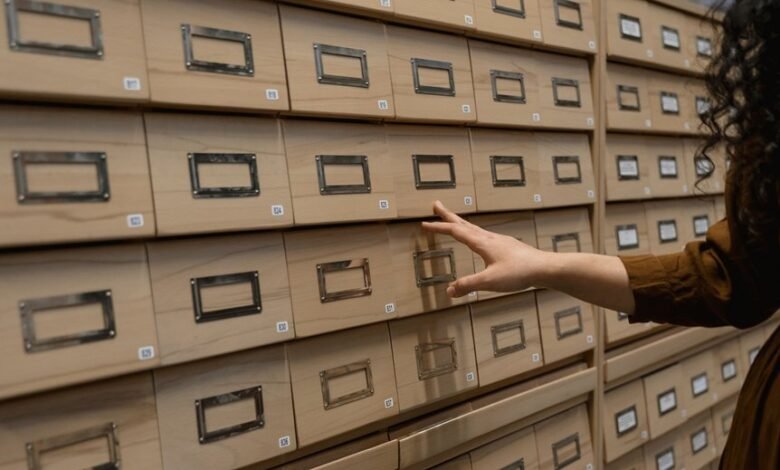
The SolarFusion Data Archive comprises five designated datasets under strict governance and provenance standards. Each item is housed within a centralized repository that emphasizes versioning, access controls, and auditable analyses. Metadata is standardized, and persistent identifiers ensure stable reference points. The system supports cache-aware, parallel retrieval to optimize performance while preserving traceable lineage. A disciplined approach to discovery, interoperability, and stewardship invites careful consideration of workflows and validation steps that follow. The next considerations await.
What Is the SolarFusion Data Archive and Why It Matters
The SolarFusion Data Archive is a centralized repository that documents and preserves the datasets, methodologies, and workflows underpinning the SolarFusion project. Its purpose is to enable data governance and ensure reproducible science across disciplines. By cataloging provenance, versioning, and access controls, it supports transparent collaboration, auditable analyses, and long-term stewardship, aligning researchers with disciplined, freedom-enhancing practices in scientific inquiry.
How to Access the Five Datasets Efficiently
Access to the five datasets is organized through the SolarFusion Data Archive’s search and retrieval interface, which presents standardized metadata, persistent identifiers, and version histories for each item.
The process emphasizes latency optimization through indexed queries, cache-aware retrieval, and parallel access strategies, while enforcing data governance protocols, access controls, and audit trails to maintain integrity, reproducibility, and controlled sharing across domains.
Provenance, Metadata, and Interoperability You Can Rely On
Provenance, metadata integrity, and interoperability underpin the SolarFusion Data Archive’s utility and trustworthiness. The framework documents lineage, custody changes, and version history with precise timestamps, ensuring reproducibility.
Adherence to interoperability standards enables seamless integration across platforms while preserving context.
Rigorous metadata schemas support searchability, provenance metadata tracing, and controlled access, enabling researchers to navigate datasets with confidence and freedom.
Start Here: Practical Workflows for Validation and Discovery
How can researchers efficiently validate and discover data within the SolarFusion Data Archive using structured, repeatable workflows? The procedure emphasizes rigorous validation workflows and disciplined discovery strategies. Each step documents inputs, methods, and outcomes, enabling reproducibility. A measured, archival tone guides researchers through standardized checks, metadata cross-verification, and traceable lineage, supporting independent verification while preserving intellectual freedom to adapt methods thoughtfully.
Frequently Asked Questions
What Licensing Governs Reuse of Solarfusion Datasets?
The licensing governing reuse of SolarFusion datasets emphasizes openness with clear terms; researchers should note licensing reuse constraints while cautiously addressing data gaps, ensuring attribution and compliance, and documenting any non-reusable segments across archives for archival integrity.
Are There Any Known Data Gaps in the Archives?
Suspense builds as findings are reviewed: there are no widely reported data gaps, but minor inconsistencies may occur. The archive integrity is maintained through ongoing checks, meticulous documentation, and transparent revision logs for those seeking freedom in verification.
How Often Are the Datasets Updated or Versioned?
Dataset update occurs on a regular cadence, with explicit versioning cadence documented for each release. The archive maintains meticulous logs, ensuring users can trace exact changes; versioning cadence supports freedom to compare, reproduce, and verify historical states.
What Are the Recommended Citation Formats?
Citation formats for the SolarFusion archive are standardized, with explicit data licensing notes. Researchers should follow the recommended citation formats, ensuring accurate attribution and versioning. Data licensing clarifies reuse terms and permissions for scholarly and creative uses.
Is There Community Support for Schema Changes?
Community support exists for schema changes within structured processes. Governance is collaborative and transparent, guided by contributor guidelines that balance autonomy with rigor, enabling debate, review, and documented decisions while preserving freedom to evolve the data model.
Conclusion
The SolarFusion Data Archive stands as a meticulously governed repository, ensuring reproducible access to the five datasets through standardized metadata, robust provenance, and auditable workflows. By emphasizing versioning and secure, cache-aware retrieval, it supports disciplined discovery and long-term stewardship. Anticipating skepticism about interoperability, the conclusion affirms that persistent identifiers and governed metadata enable seamless cross-domain reuse, enabling researchers to validate results and extend analyses with confidence, efficiency, and transparent lineage.